Live invertebrates for university research and student projects
Since 2005, Minibeast Wildlife has supplied captive-bred Australian invertebrates to university researchers, honours and postgraduate students, and undergraduate teaching labs. Our animals come from Australia’s largest captive-bred invertebrate collection, at our breeding facility in Kuranda in the Wet Tropics of Far North Queensland.
With every order you also get decades of husbandry experience. We help you choose the right species, set up your animals, and keep them healthy until your project is finished. Whether you need a dozen jumping spiders for a behaviour trial or a dermestid colony for a semester of practicals, we plan the supply around your project.
Who we supply
Research laboratories
Research groups working on behaviour, cognition, venom, physiology, sensory biology, biomechanics and ecology.
Honours, Masters & PhD students
Reliable animals for a fixed project timeline, plus advice for students who are new to keeping invertebrates.
Teaching & practical classes
Live animals for undergraduate practicals, and colonies that last a whole semester or teaching year.
Museums & institutions
Collection, display and outreach teams that need live study animals or reference cultures.
Why researchers work with us
Captive-bred stock
Most animals are bred at our Kuranda facility, so you get known provenance and consistent condition, with less reliance on wild collection.
A huge range of species
Mantids, spiders, scorpions, centipedes, beetles, stick insects, cockroaches, katydids, grasshoppers and more, with sourcing networks across Australia for anything we don’t hold.
Numbers and cohorts
Age-matched and sexed animals where the species allows, with staged deliveries planned around your project schedule.
Husbandry expertise
Our team includes the founders of Melbourne Museum’s Live Exhibits Unit, who coordinated the Bugs Alive! collection for 11 years.
Support for the whole project
We stay available after delivery to help with moulting, feeding, mortality, breeding and replacement stock.
Project documentation
Species, origin and care information for your methods section, ethics or biosafety paperwork, and lab risk assessments.
Safe live delivery
We ship live invertebrates around Australia every week, in packaging designed for each species.
A Wet Tropics base
Researchers can visit our facility, and we can support fieldwork and the supply of tropical north Queensland species.
Some species we have supplied for research
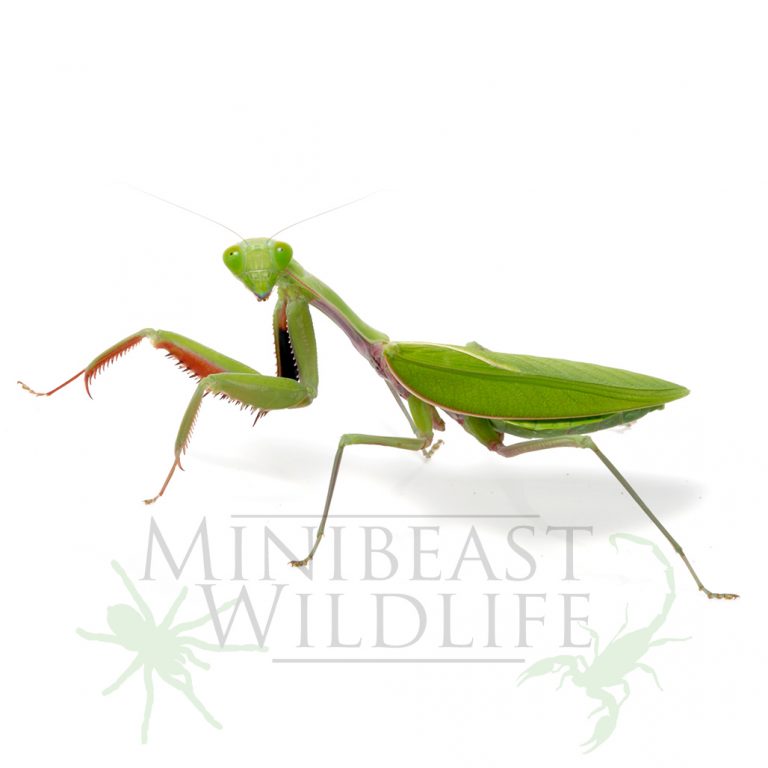
Giant Rainforest Mantis
Hierodula majuscula
A large, long-lived mantid that breeds well in captivity.
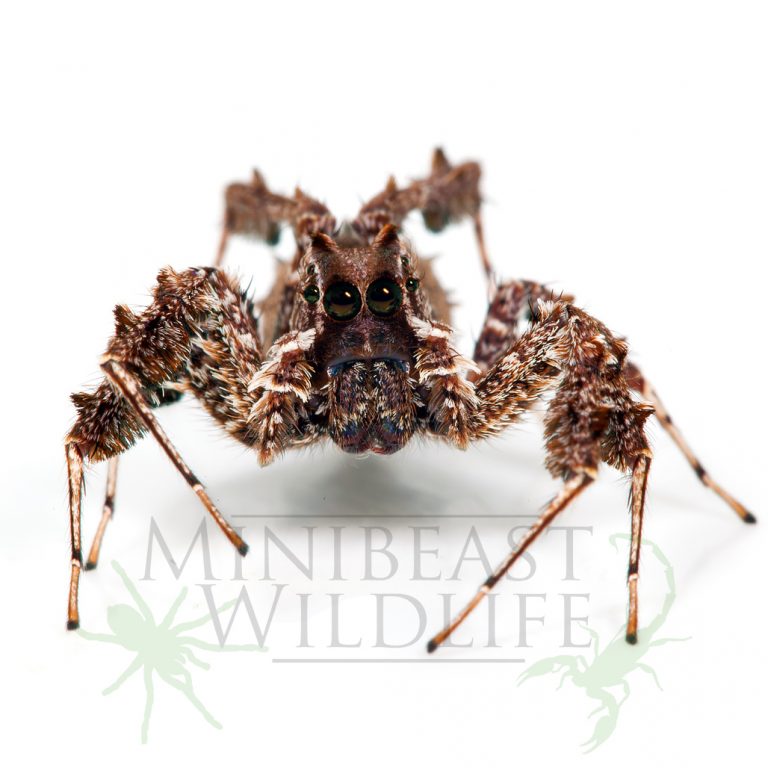
Fringed Jumping Spider
Portia fimbriata
A spider-eating jumping spider known for its complex hunting behaviour.
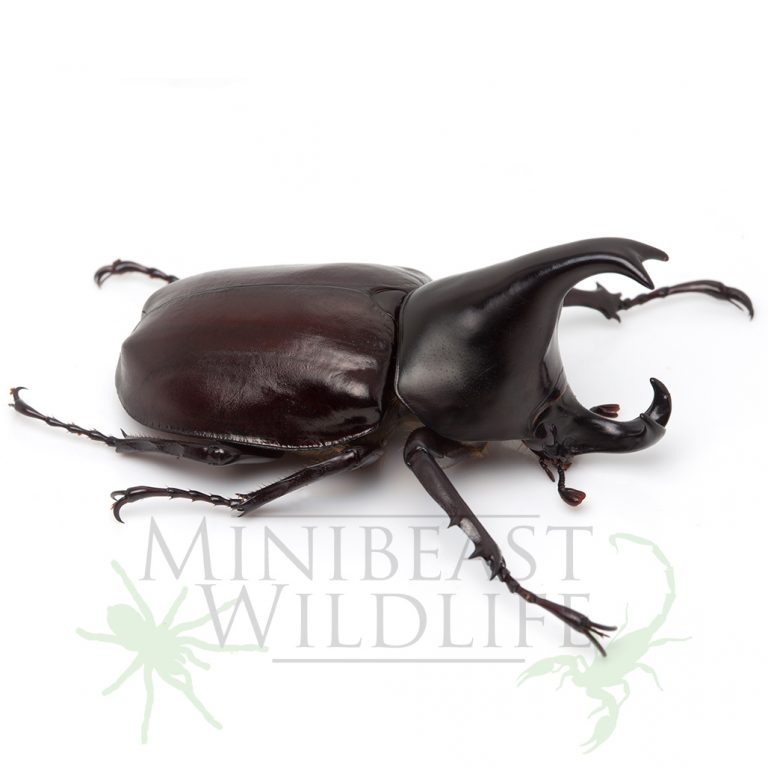
Rhinoceros Beetle
Xylotrupes australicus
A large scarab with horned males. Larvae and adults available.
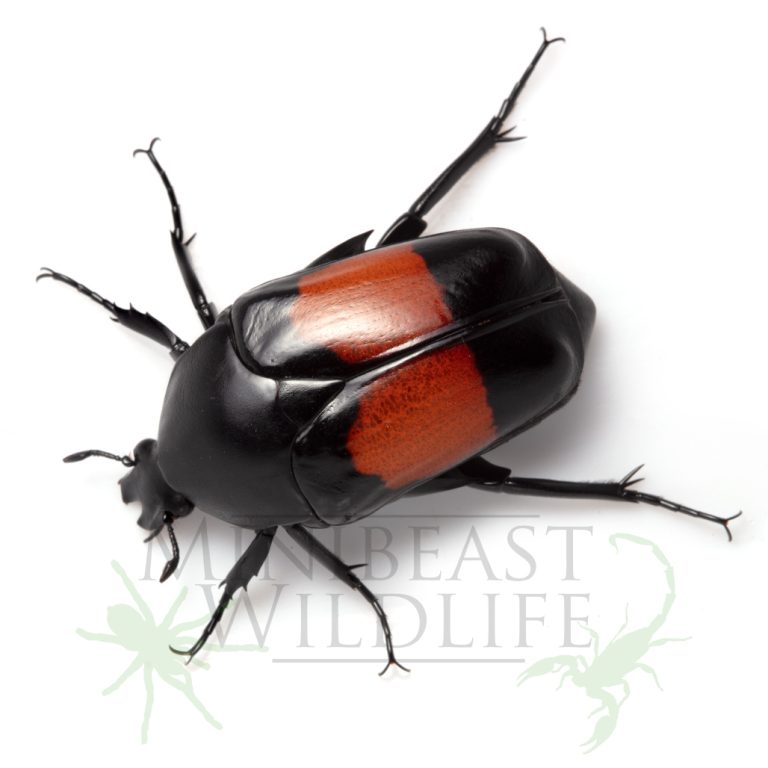
Flower Chafer
Dilochrosis balteata
A rainforest flower chafer that we rear through its full life cycle.
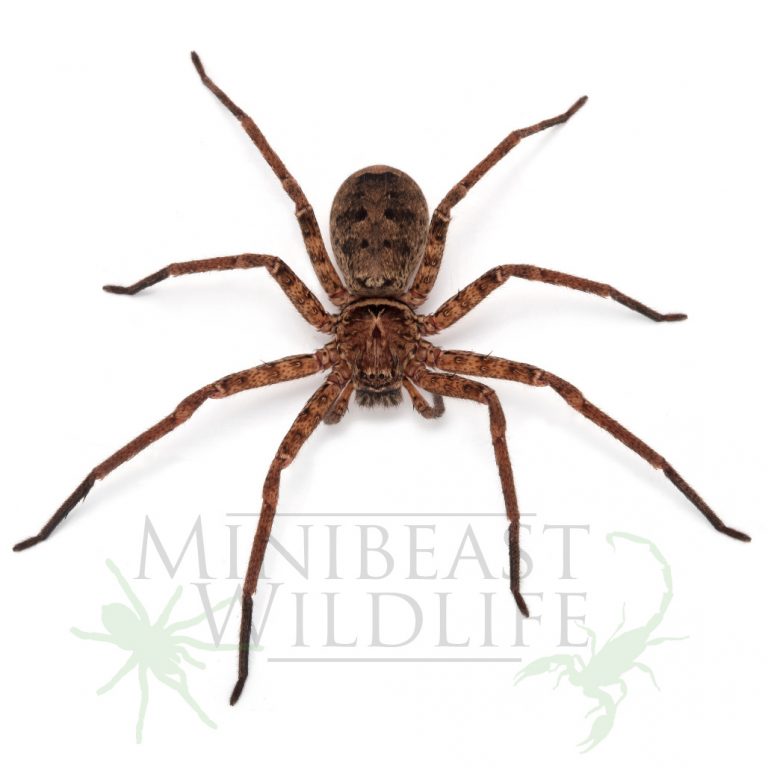
Jungle Huntsman
Heteropoda jugulans
A large, fast-moving tropical huntsman.
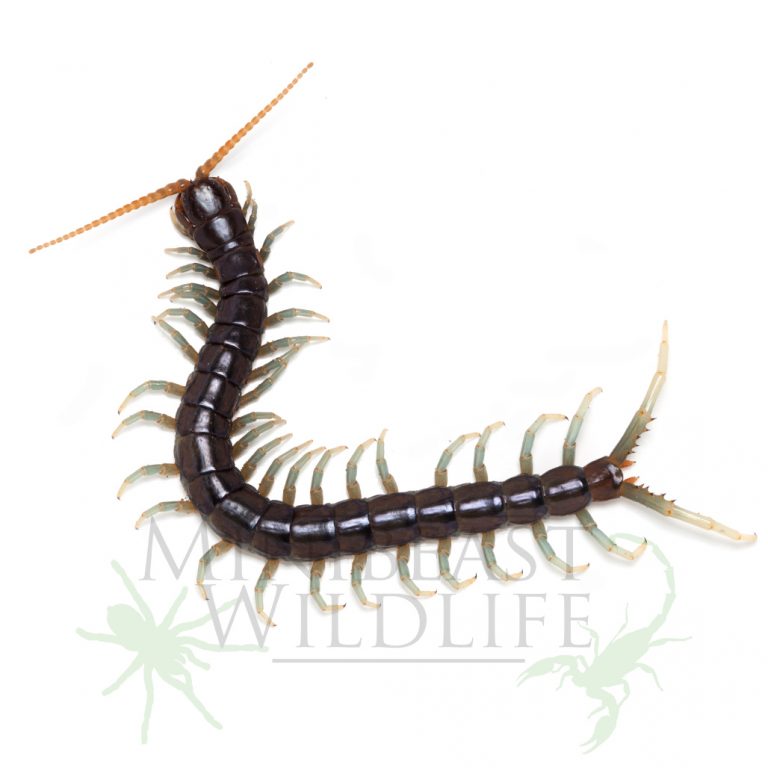
Giant Centipede
Ethmostigmus rubripes
Several regional colour forms are available.
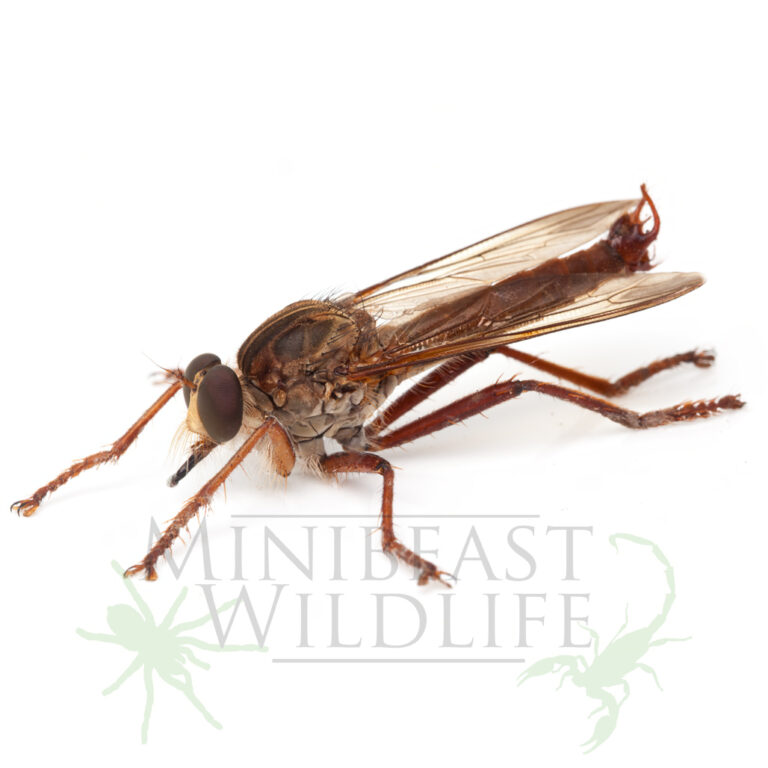
Giant Robber Fly
Dolopus genitalis
A large predatory fly in the robber fly family (Asilidae).
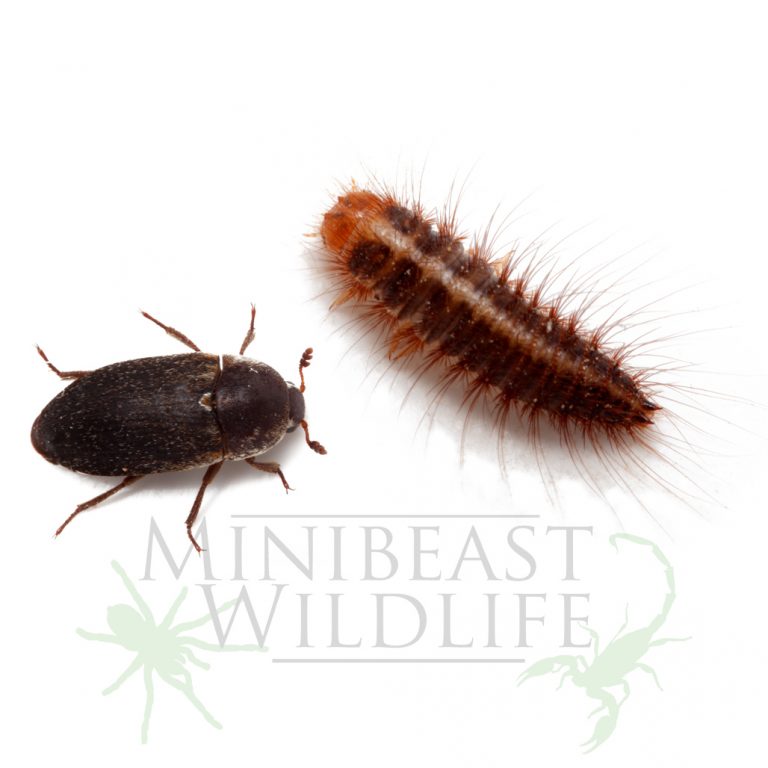
Hide Beetle
Dermestes maculatus
Ongoing colonies for specimen preparation and forensic work.
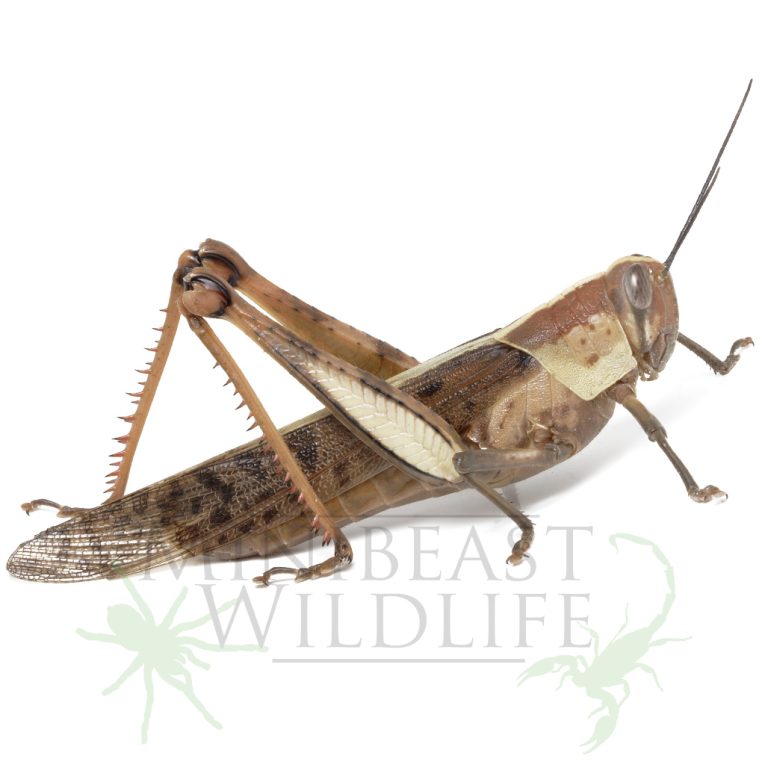
Giant Grasshopper
Valanga irregularis
Australia’s largest grasshopper, and easy to keep in numbers.
…and many more, including stick and leaf insects, scorpions, funnel-web spiders, tarantulas, cockroaches and katydids. Browse the Breeding Room to see what we currently hold, or ask us about a species not shown here.
Husbandry advice from start to finish
Keeping invertebrates in good condition in a lab is often the hardest part of a project. We support you at every stage:
- Plan the project. Choose species, numbers, life stages and timing that suit your research question and budget.
- Set up the animals. Get advice on enclosures, temperature, humidity, substrate and diet for your lab conditions, with a written care guide for each species.
- Supply and delivery. Your animals arrive in good condition and on schedule, in staged batches if you need them.
- Ongoing support. Get help by phone and email throughout your project, plus replacement or extra animals when you need them.
- Finish the project. Get advice on breeding up colonies, passing animals on to another project, or humane end-of-project options. Captive animals must never be released into the wild.
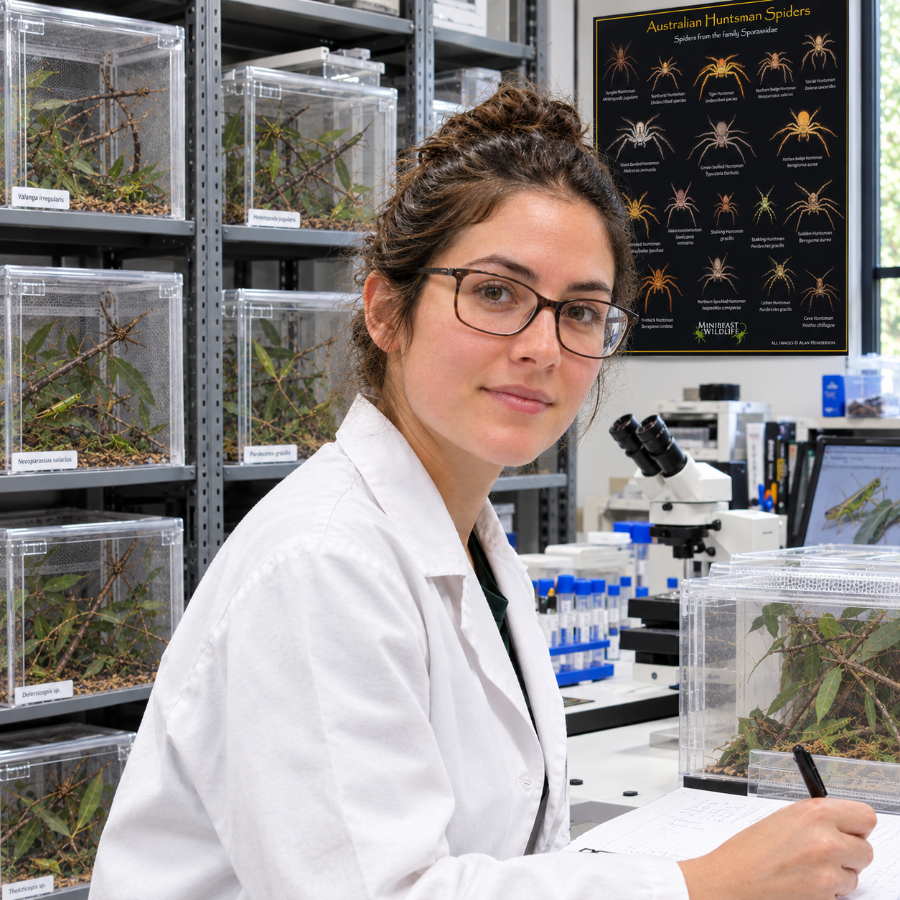
Experience you can rely on
Minibeast Wildlife founded by Deanna and Alan Henderson
Running the live invertebrate collection at Melbourne Museum, including Bugs Alive!
For our book Bugs Alive! A Guide to Keeping Australian Invertebrates
Husbandry workshops for zoo keepers, and co-hosts of the Bugs Alive Conference
We have worked with





Research collaborations
Researchers from James Cook University’s Australian Institute of Tropical Health and Medicine regularly visit our Kuranda facility to collect venom from our funnel-web spiders and scorpions for their research. We have also supported a James Cook University honours project on social behaviour in Australian tarantulas.
“[TESTIMONIAL NEEDED] A short quote from a researcher or supervisor about the reliability of the animals and the support during the project.”
— Name, role, university
Common questions
For most species we need around 4 to 8 weeks’ notice. Allow longer for large numbers, age-matched cohorts or seasonal species.
Often, yes. We work with breeders and licensed collectors across Australia. Tell us what you need and we’ll tell you what is realistic.
Yes. We provide formal quotes and accept university purchase orders.
We send live invertebrates Australia-wide every week. International supply needs export permits, so please contact us to discuss it.
Yes. We can supply enclosures, substrate and various invertebrate foods with your order.